


NEO-6M-0-001 Availability Report: Stock & EOL Signals
NEO-6M-0-001 Availability Report: Stock & EOL Signals
The latest distributor-aggregator scans and supply-chain checks show fragmented stock levels for the NEO-6M-0-001, rising quoted lead times, and an increase in listings flagged “contact for availability.”
Scope: Global supply indicators with US procurement emphasis. Methodology: Aggregated listings, lead-time trend checks, and BOM risk signals.
1 — Product Background & Why Availability Matters
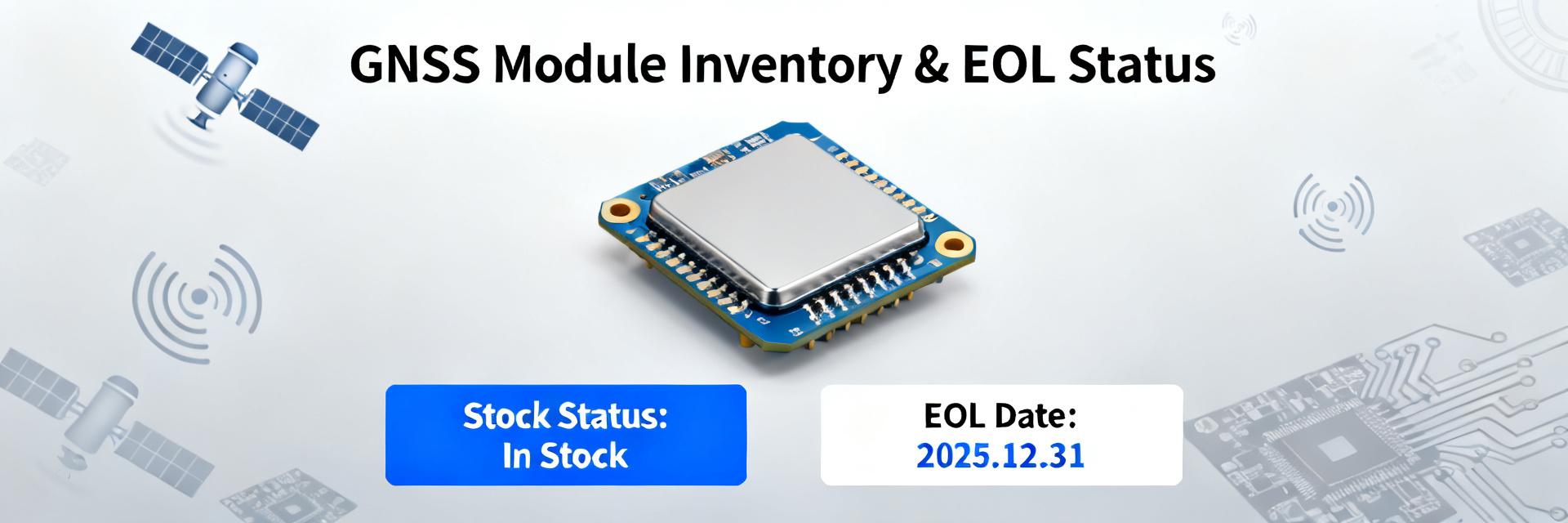
1.1 — Module Summary & Typical Use Cases
Point: Compact GNSS timing/navigation module for telematics and asset tracking.
Evidence: Integrated antenna options and firmware-dependant feature sets.
Explanation: Locked footprints mean substitution requires costly retesting, elevating risk when availability tightens.
1.2 — Typical Supply Profile
Point: Long-tail demand with thin distributor buffers.
Evidence: Intermittent authorized-stock and broker channel concentration.
Explanation: Constraints cause production delays and single-supplier dependency risks.
2 — Current Availability Snapshot: Data Deep-Dive
2.1 — Live-Stock Patterns & Lead-Time Signals
Alert: Increased listings with zero available quantity or “contact-only” flags. Widening lead-time ranges between regions indicate structural constraints for NEO-6M-0-001.
2.2 — Historical Price & Supply Trends
Monitoring 6–12 month averages reveals tightening supply when average prices rise and seller counts with positive stock decline. Key metrics to track:
3 — How to Detect EOL Risk & Verified Signals
3.1 — Primary EOL Signals (Firm)
Definitive signs: Formal last-time-buy notices, removal from authorized catalogs, and published replacement part numbers.
3.2 — Secondary Risk Signals (Soft)
Preceding signs: Persistent unquoted lead times, broker-only availability, and sudden price premiums.
4 — Sourcing & Inventory Playbook
Short-Term Tactics
- Split buys across multiple authorized channels.
- Negotiate allocation agreements and prioritized scheduling.
- Secure bridging buys to preserve production continuity.
Mid/Long-Term Lifecycle Strategies
Qualify alternate sources and design for modular replacements. If two or more EOL signals appear for NEO-6M-0-001, initiate replacement qualification immediately to lower long-term risk.
5 — Alternatives & Remediation
| Evaluation Metric | Weighting | Visual Impact |
|---|---|---|
| Electrical/Pin Compatibility | 30% |
|
| RF/Positioning Performance | 25% |
|
| Firmware/Drivers | 20% |
|
| Certs/Regulatory | 15% |
|
| Requalification Effort | 10% |
|
Case Example & Buyer Checklist
Trigger last-time-buy if two signals align. Hold 3–6 months of critical stock. Define a migration window for firmware and regulatory updates to ensure a phased remediation that minimizes downtime.
Summary & Next Steps
NEO-6M-0-001 availability is showing conservative warning signs. Immediate actions: 1) Run aggregated stock charts, 2) Secure short-term bridging buys, and 3) Begin parallel qualification of vetted replacements.
Current Stock Status
Lead-Time Trend
Procurement Urgency
Frequently Asked Questions
How quickly should procurement act if NEO-6M-0-001 availability shifts?
Act immediately when multiple soft signals converge. Secure short-term bridging quantities and initiate replacement qualification; delaying more than a single cycle can expose programs to costly stoppages.
What are reliable verification steps for an NEO-6M-0-001 EOL claim?
Require manufacturer-origin documentation, confirm removal from authorized catalogs, and cross-check across distributor snapshots to prioritize urgency before finalizing commitments.
How much inventory should a buyer hold when NEO-6M-0-001 is at risk of EOL?
Common practice is 3–6 months of critical-line coverage. Adjust upwards if lead times exceed production cycles or if replacement qualification is projected to take multiple months.